
Quick answer
| What | For the Volkswagen ID.3 |
|---|---|
| Vehicle type | Battery electric (BEV) — no petrol engine, charges only from the mains |
| Home charging connector | Type 2 — the UK and European standard for AC charging |
| Home supply used | Single-phase AC, as supplied to virtually every UK house |
| Is a 7kW / 7.4kW charger suitable? | Yes — a 7kW unit is the standard, sensible choice for this car at home |
| Chargers we would likely recommend | BG SyncEV for most installations, or Ohme where smart tariff scheduling matters |
| Battery size and maximum AC charge rate | Varies by version and model year — check your handbook or order confirmation rather than a figure copied off the internet |
Why we do not quote a charging time here
Battery size and the maximum AC charge rate a car will accept differ between versions and model years. We would rather give you an honest framework than a number we cannot stand behind — ring us with your exact spec and we will talk it through.
Just bought a Volkswagen ID.3?
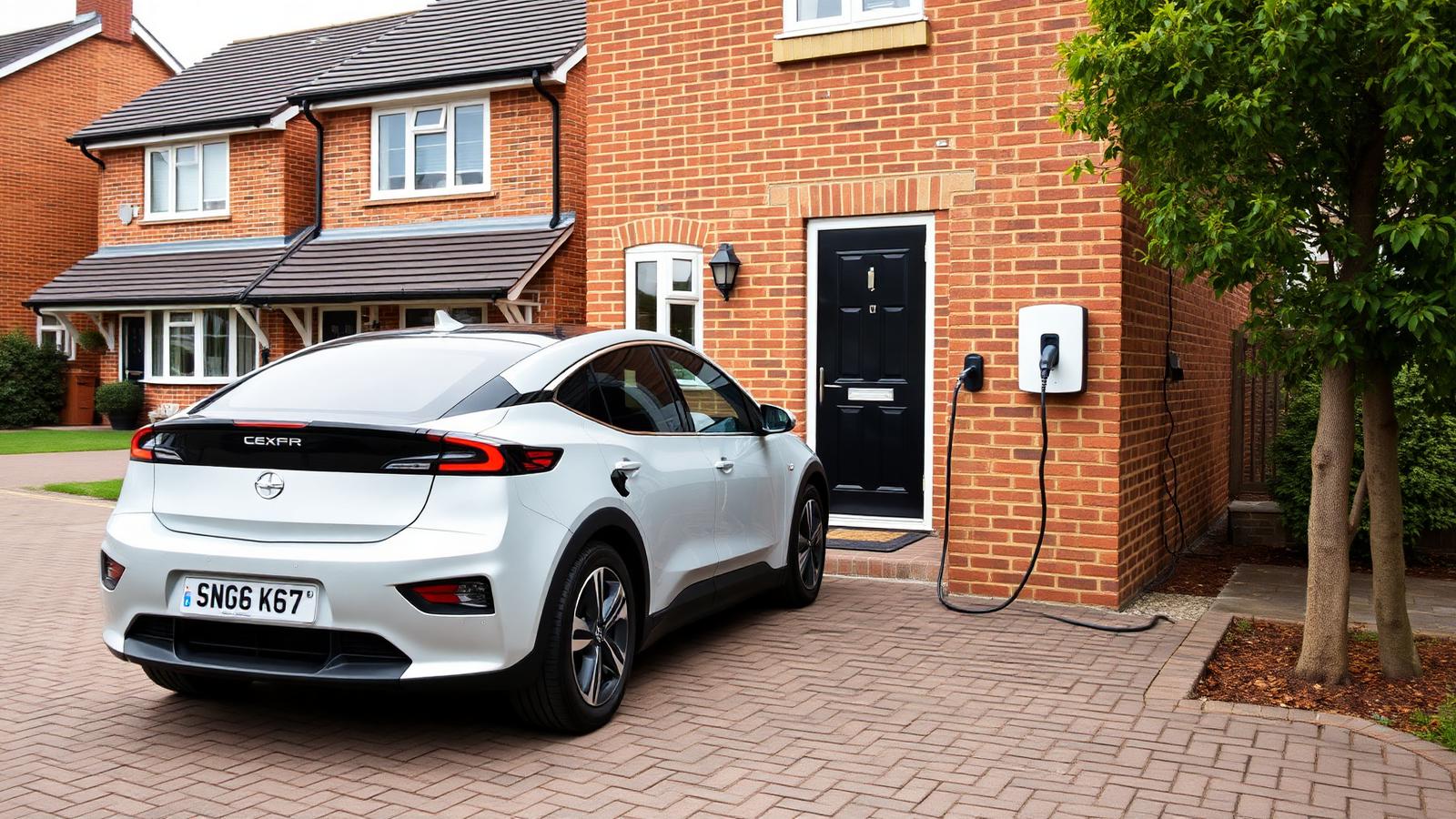
Lots of ID.3s change hands second-hand now, so we meet plenty of owners doing their first home charger installation on a car they already own.
Nothing about the process changes because the car is used — the survey, the circuit and the certification are identical.
Can you charge the Volkswagen ID.3 at home?
Yes. The ID.3 is battery electric with Type 2 AC charging, so any standard home charge point works.
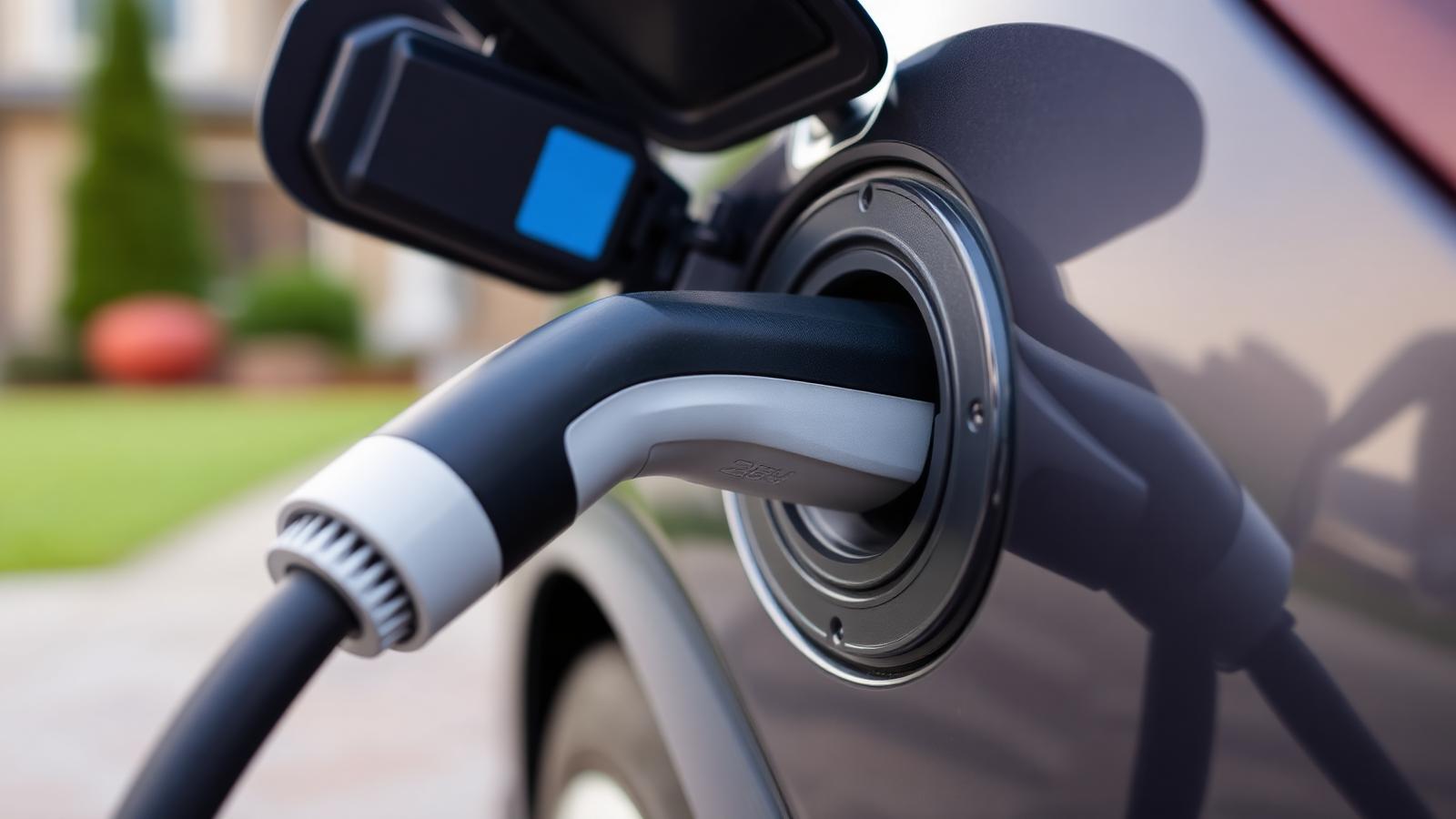
Every plug-in car sold in the UK uses a Type 2 socket for AC charging, so any standard home charge point will physically connect. The decision is about features, tariff and where the unit goes — not compatibility.
What charger does the Volkswagen ID.3 need?
A 7kW single-phase unit. Some ID.3 versions can accept faster AC charging on three-phase supplies found abroad, but on a UK house 7kW is the practical rate.
A 7kW (often quoted as 7.4kW) single-phase smart charger is the standard domestic unit in the UK. Anything more powerful needs a three-phase supply, which almost no Birmingham house has, and which this car would not benefit from on a driveway overnight.
If you want the longer version, we have written one on 7kW versus 22kW chargers.
Is BG SyncEV suitable for the Volkswagen ID.3?
Yes. For many straightforward home installations, BG SyncEV is the charger our electrician tends to recommend: sensibly built, tethered or untethered, and easy to live with day to day.
A no-nonsense unit for a no-nonsense hatchback. SyncEV is what we would fit unless you have a specific reason to go elsewhere.
More detail on the unit itself is on our BG SyncEV page.
Is Ohme suitable for the Volkswagen ID.3?
Also yes. If smart tariff integration is particularly important to you, we can install Ohme instead and advise which option better suits your car and household.
Good if you want the charger driving the tariff rather than relying on in-car scheduling, which can be fiddly to set on some software versions.
There is more on it on our Ohme charger page.
Not sure which of the two to pick?
Tell us your vehicle, your electricity tariff and where you park, and we will give you a straight recommendation rather than a sales pitch.
How long might home charging take?
ID.3 battery sizes differ across the range and across model years. On 7kW, expect a normal evening top-up to take a couple of hours and a deeper charge to sit comfortably inside a night.
In practice, the time a home charge takes depends on:
- the battery percentage you start from — most people top up rather than charge from empty
- which version of the car you have, as battery sizes differ across the range
- the maximum AC charge rate the car's onboard charger will accept
- the output of the charge point, normally 7kW on a domestic installation
- any load management in the house, which can briefly reduce the rate when other heavy appliances are running
The useful question is not "how many hours" but "is it full by morning" — and on a 7kW charger, for normal daily mileage, the answer is almost always yes.
Do I need a special electrical supply?
Almost certainly not. A standard single-phase domestic supply is what nearly every UK home has, and it is what a 7kW charger is designed around. No upgrade, no new meter, no digging up the drive.
What we do check on the survey is straightforward:
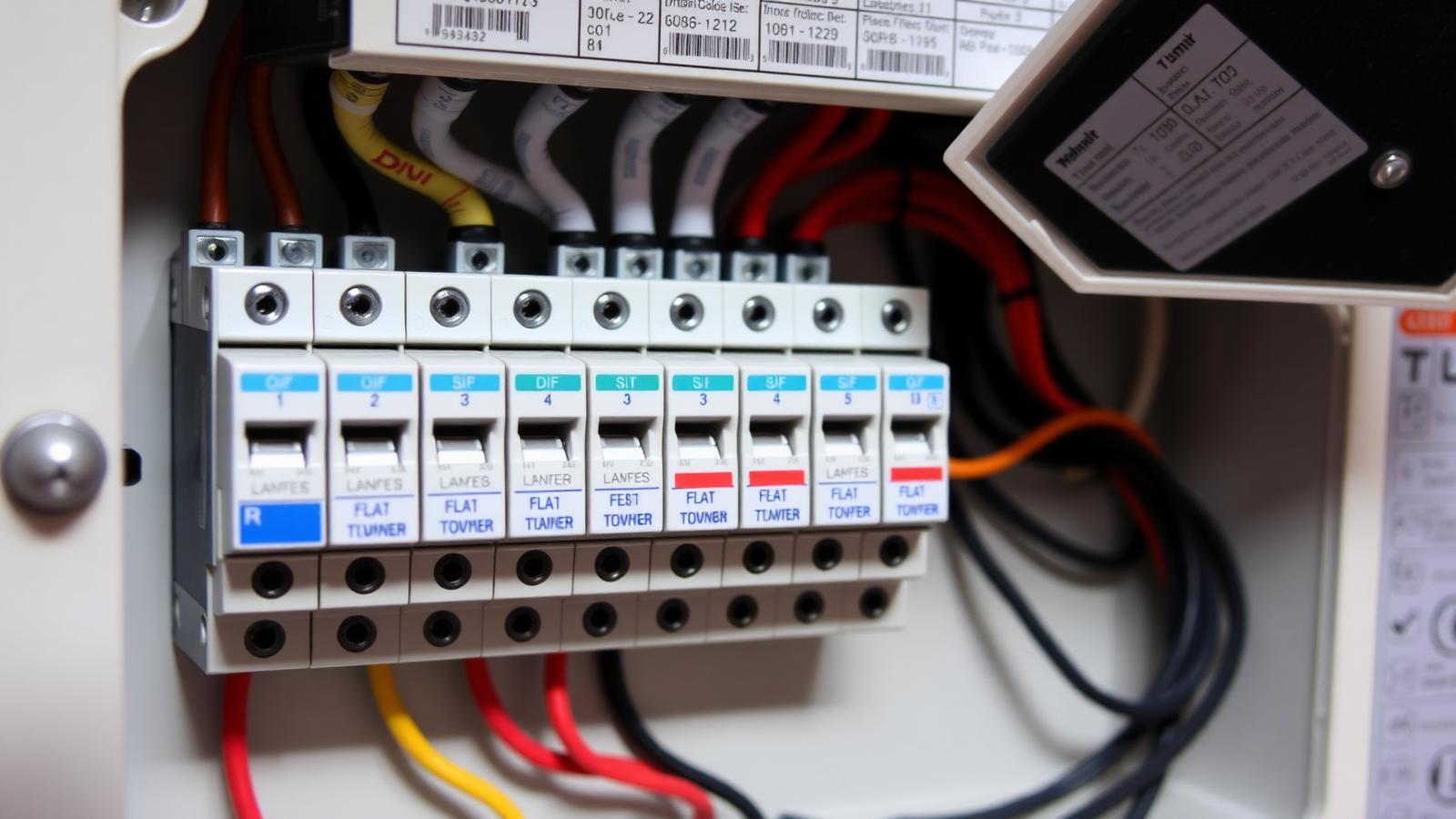
- the condition and spare capacity of your consumer unit
- the earthing arrangement, and whether PEN fault protection is handled by the charger or separately
- the main fuse rating and whether load management is worth enabling
- the cable route from the board to where you want the unit
If something does need attention, you hear it at quoting stage with a price attached — not on the morning of the install.
Can I have the charger fitted before the car arrives?
Yes, and it is the sensible order of events. Most people ring us the week the car is delivered and then spend a fortnight on a three-pin lead. Book the survey while you are waiting on delivery and the charger is on the wall, tested and ready before the keys land.
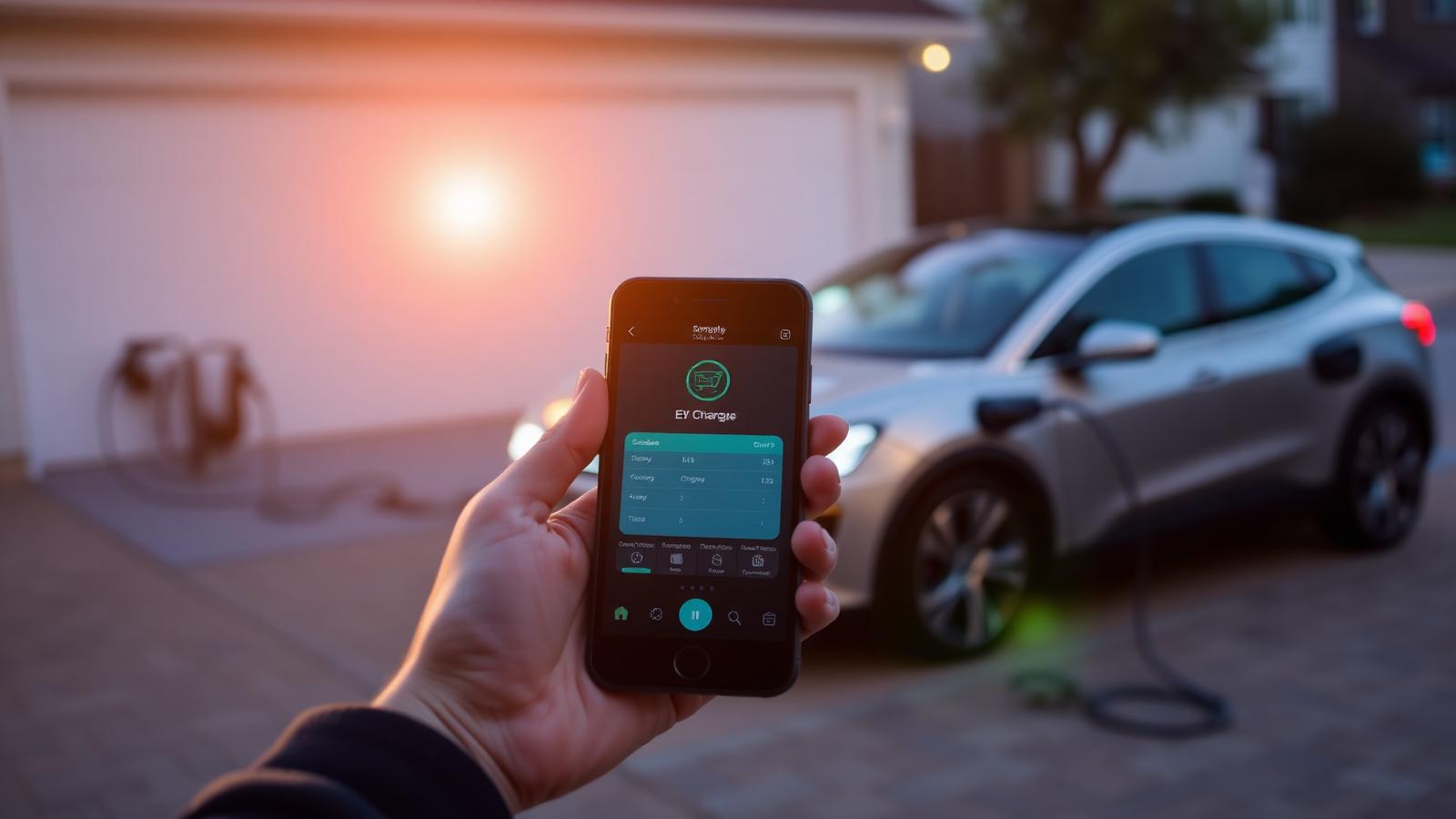
You do not need the car present for the installation. We commission and test the charge point without it, and show you the app when you collect the vehicle.
What the installation involves
- A dedicated circuit from your consumer unit to the charge point
- Protection and earthing to current wiring regulations
- A cable route agreed with you before any drilling happens
- Testing, certification and a walk-through of the app
- Notification to the network operator where it is required
A typical single-phase domestic installation takes around half a day. Older boards, long runs or awkward routes add time, and we say so up front.
For what genuinely changes the price, see what affects EV charger installation costs.
Need a Volkswagen ID.3 home charger fitted in Birmingham?
Appleby Electrical is based in B36 and fits home charge points across east Birmingham, north Solihull and the villages beyond: Shard End, Castle Bromwich, Chelmsley Wood, Marston Green, Kitts Green, Garretts Green, Stechford, Hodge Hill, Sheldon, Yardley, Water Orton, Coleshill.
Being local matters more than people expect. A quick survey, a real person on the phone, and someone who will actually come back if the unit ever needs looking at.
Just bought a Volkswagen ID.3?
Tell us your vehicle and postcode and Appleby Electrical can advise which home charger is likely to suit your property. Call us — it is usually a five-minute conversation.
Chargers we install
Both work with any Type 2 vehicle — the difference is features and tariff.
Local installation
Where we fit home chargers around east Birmingham.
Frequently asked questions
Should I schedule charging in the car or in the charger?
Either works, but not both at once — conflicting schedules are the single most common cause of "my car did not charge" calls. Pick one and stick to it.
Can you move an existing charger to a new house?
Often yes, though it needs a fresh circuit, testing and certification at the new property. We can quote for that.
Does the Volkswagen ID.3 need a special charger?
No. It charges through the standard Type 2 connector used across the UK, so any normal home charge point will work. Pick on features and tariff instead.
Tethered or untethered?
Tethered means the lead is permanently attached, which is quicker if you only charge one car. Untethered means you plug your own cable in — tidier on the wall and more flexible if you change vehicle. Both suit this car.
Can I just use the three-pin lead that came with the car?
For the occasional top-up, yes. But it is slow, and a household socket is not designed for hours of continuous load. A dedicated charge point on its own circuit is the safe long-term answer.
Can you advise before I take delivery?
Please do ring before delivery day. Booking the survey early means the charger is ready when the car arrives rather than weeks later.
Related reading
Home EV charger installation
Our main domestic EV charger installation service page.
BG SyncEV home chargers
The charger we fit most often on domestic installations.
Ohme home chargers
Strong choice if you are on a smart overnight tariff.
BG SyncEV vs Ohme
An honest comparison of the two chargers we fit most.
What affects EV charger installation costs
The things that genuinely change the price of a home install.