
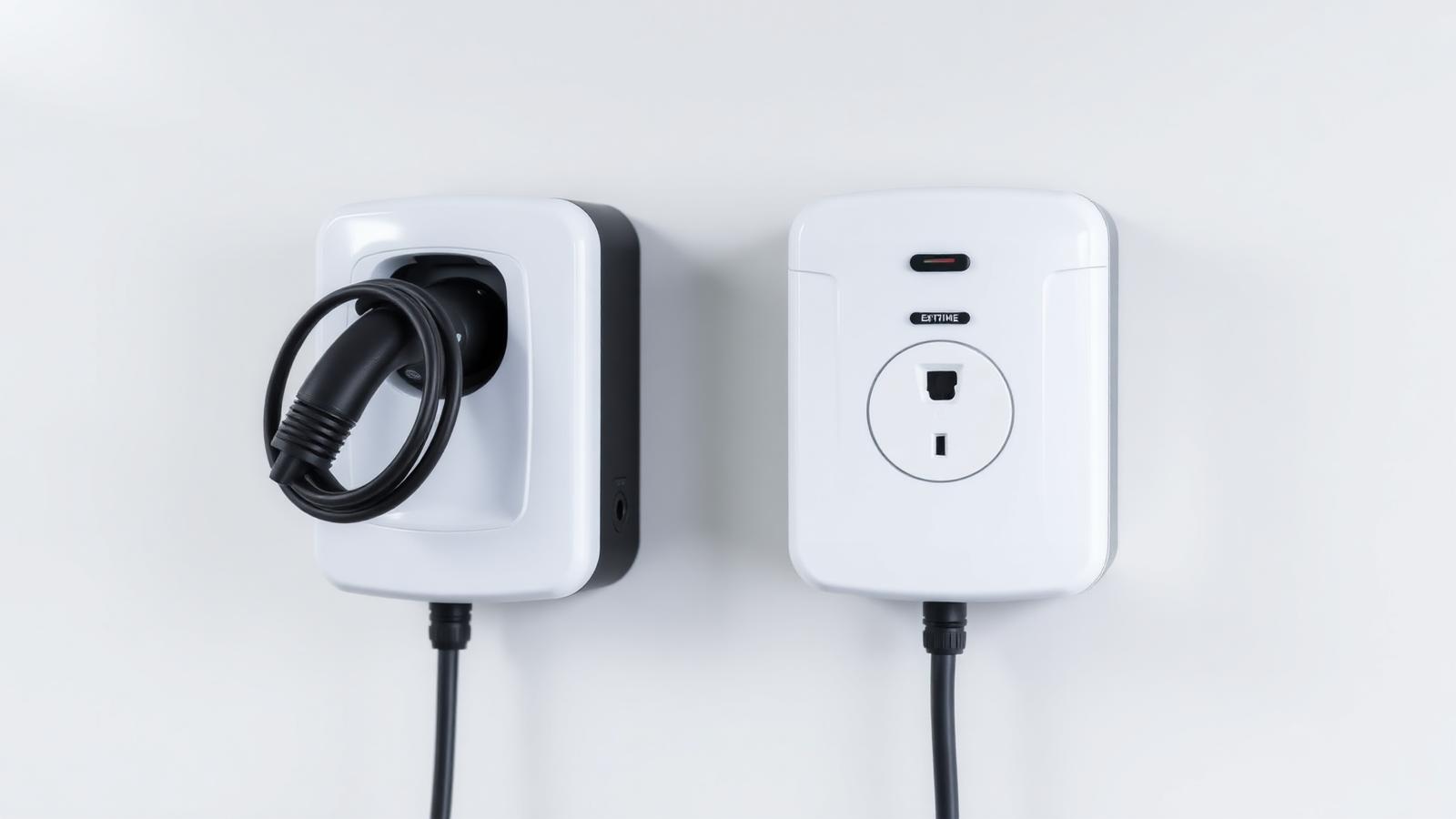
The short version
For many straightforward domestic installations, BG SyncEV is the charger our electrician tends to recommend. Customers who place more emphasis on smart tariff integration may prefer Ohme.
Appleby Electrical installs both. We have no incentive to push you towards one, which is why this page does not end with a trophy.
Side by side
| Consideration | BG SyncEV | Ohme |
|---|---|---|
| Everyday home charging | Plug in, charge overnight, no thinking required | Same, with charging steered automatically into cheaper hours |
| Home charging rate | 7.4kW on a standard single-phase supply | Around 7kW on a standard single-phase supply |
| Connector | Type 2 — works with every plug-in car sold in the UK | Type 2 — same |
| Smart features | App control for scheduling and monitoring | App control plus close integration with smart energy tariffs |
| Tariff integration | Schedule charging yourself to match your cheap window | Its main strength — charging is shifted for you as tariff prices change |
| Cable options | Tethered and untethered versions available | Tethered options widely available |
| Load management | Configured at installation where your main fuse needs it | Configured at installation where your main fuse needs it |
| Vehicle compatibility | Any Type 2 car or plug-in hybrid | Any Type 2 car or plug-in hybrid |
| Who it tends to suit | Most households wanting a dependable, unfussy charger | Drivers on, or moving to, a smart overnight tariff |
No scores, no star ratings
We have deliberately not rated these out of ten. Both are competent units and the right answer depends on your tariff, your car and where the charger is going.
Everyday charging
In daily use the two feel more similar than the marketing suggests. You arrive home, plug in, and the car is full in the morning. On a single-phase house both deliver roughly the same power, so neither is meaningfully faster than the other.
If nobody in the household wants to think about electricity pricing, SyncEV's simplicity is a genuine advantage rather than a compromise.
Smart charging and tariffs
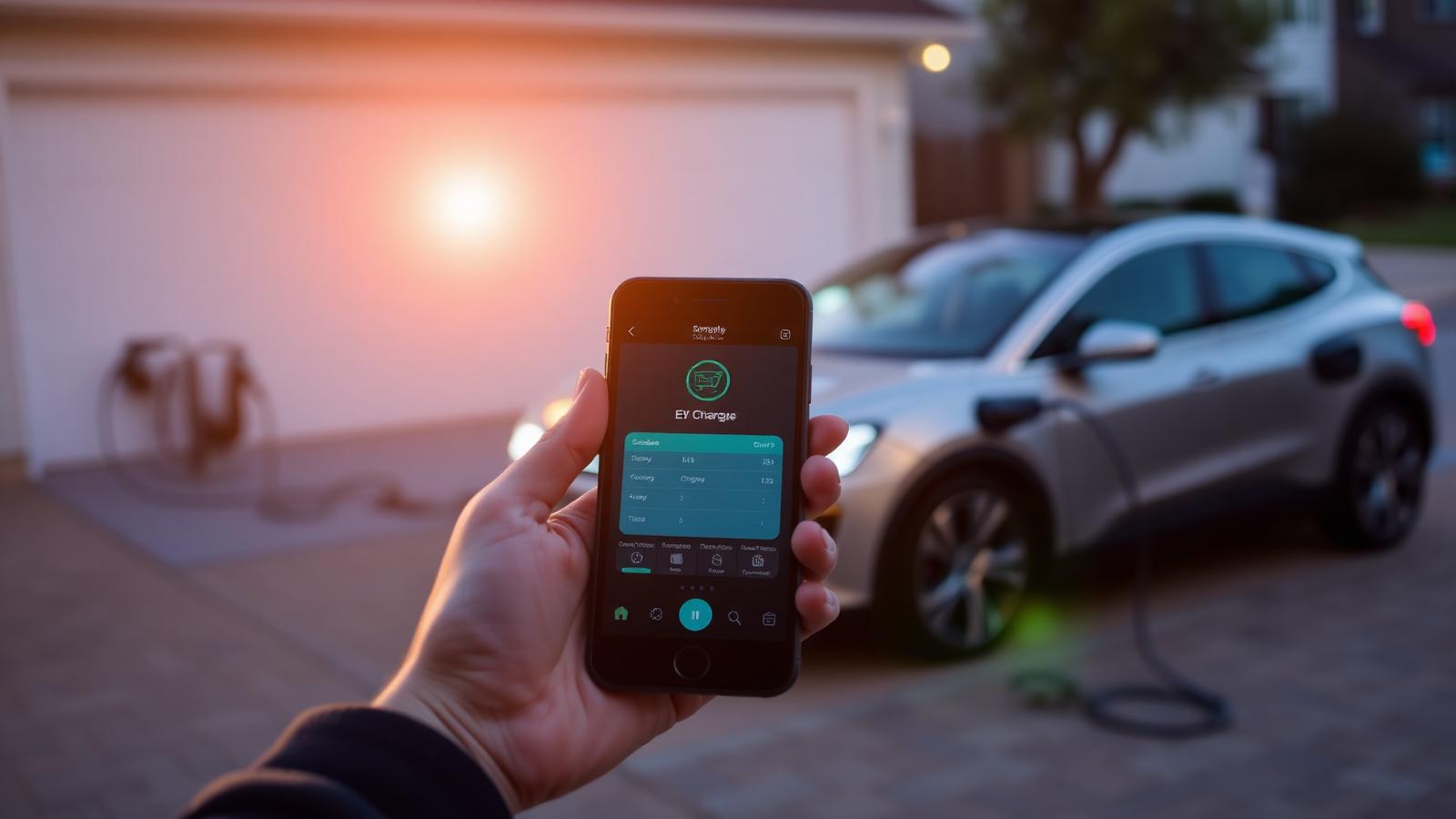
This is the real dividing line. Both units let you set a schedule from an app. Ohme goes further by working with smart energy tariffs directly, so charging follows the cheapest periods as they change rather than a fixed window you set once.
Whether that saves you money depends entirely on your tariff, how many miles you drive and whether your supplier and tariff are compatible. On a standard flat-rate tariff there is nothing for it to optimise, so the advantage disappears.
If smart charging is new to you, start with smart EV charging explained.
Appearance, cables and installation
Tethered or untethered
Tethered keeps the lead permanently attached — faster day to day if you only ever charge one car. Untethered leaves a socket on the unit and keeps the wall tidy, and it copes better if you change vehicle. SyncEV is available either way; check the current Ohme range for the configuration you want.
The installation itself
Identical in practice. Both need a dedicated circuit from the consumer unit, correct protection and earthing, a sensible cable route, load management where your main fuse calls for it, and testing and certification at the end. Neither is harder to fit than the other, and the price difference comes from the unit rather than the labour.
If this is your first electric car
New owners often overthink this decision. Both chargers will charge your car properly on the night you get it. The useful question is whether you are going to move onto an EV energy tariff.
- Staying on your current tariff for now — SyncEV, and schedule it yourself if you want to
- Already signed up to a smart EV tariff — Ohme is worth the extra consideration
- Undecided — tell us your supplier and mileage and we will give you a straight answer
Our practical view
BG SyncEV is our preferred option for many straightforward home installations: sound build, easy to live with, sensible price for a certified job. Ohme is the one we suggest when tariff integration is doing real work for the household.
What we will not do is tell you one is objectively better. Anyone who does is selling something.
Not sure which suits your home?
Tell us which car you have and your postcode, and we can advise which charger is likely to suit your home. Call Appleby Electrical — it is a short conversation.
Charger advice for your car
Model-by-model guidance on what a home charger needs to do.
Where we install
Home charger installation around east Birmingham and north Solihull.
Frequently asked questions
Will Ohme definitely save me money?
Only if you are on a compatible smart tariff and drive enough miles for the difference to matter. On a flat-rate tariff there is nothing to optimise, so the saving is not automatic.
Do they charge at different speeds?
Not meaningfully at home. Both run at around 7kW on the single-phase supply that UK houses have, so charging times are broadly the same.
Does my car limit which one I should buy?
No. Both use the Type 2 connection every plug-in car sold in the UK uses. The choice is about features, cable preference and tariff.
Can you fit either one before my car arrives?
Yes, and it is the sensible order. The car does not need to be present for the installation to be completed, tested and certified.
Do you install other brands?
Yes. We fit other mainstream Type 2 units too, and we will say so if one of those suits your property better.