
The core difference
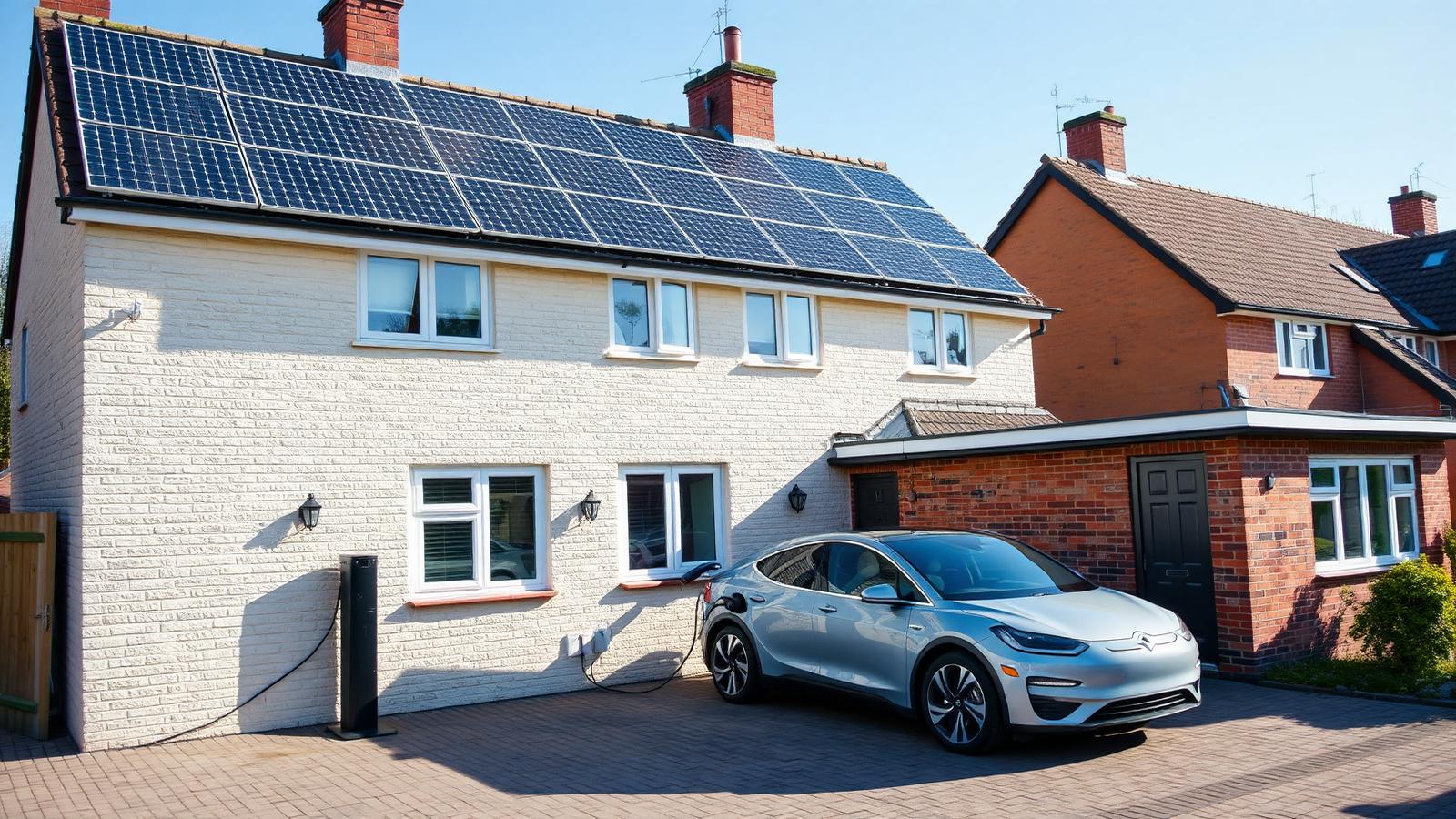
Zappi built its reputation on solar. Its charging modes can prioritise surplus generation from your panels, so the car soaks up energy you would otherwise export. If you generate your own electricity, that is a meaningful, ongoing benefit.
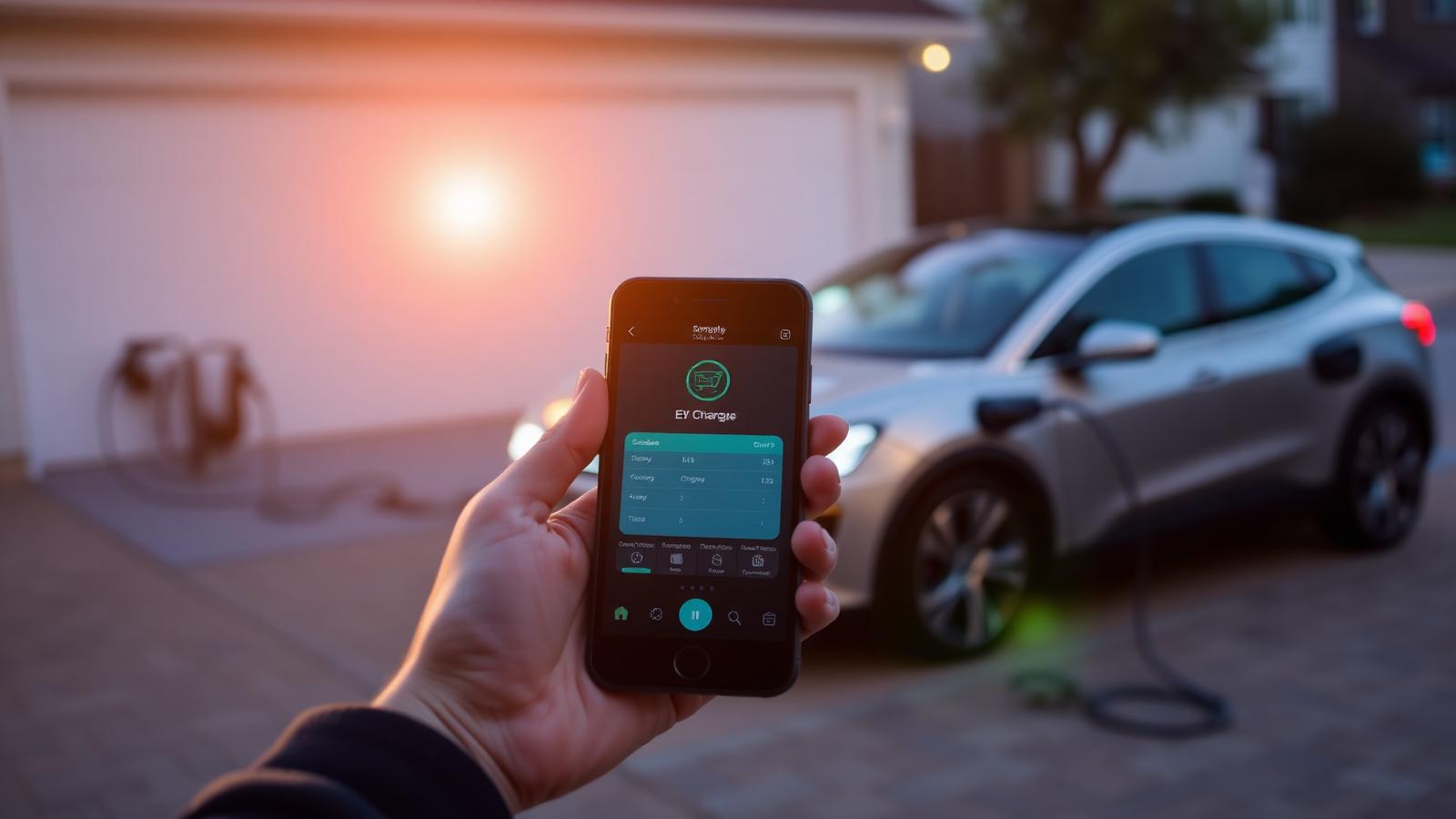
Ohme built its reputation on tariffs. It integrates closely with smart energy tariffs and can shift charging into the most affordable periods automatically, reacting to your supplier's rates rather than to sunshine.
Both are well-regarded, both charge at around 7kW on a normal domestic supply, and both are widely installed. Neither is objectively better — they optimise for different things.
Side by side
| Zappi | Ohme | |
|---|---|---|
| Best known for | Solar surplus charging modes | Smart tariff integration |
| Solar owners | A natural fit | Works, but solar is not its focus |
| Tariff-led savings | Supported | Central to the product |
| Cable | Tethered and untethered options | Tethered options are common |
| Typical buyer | Home with PV or battery | Driver on a smart EV tariff |
Which suits your household?
Choose Zappi if
- You already have solar PV, or will install it soon
- You want the car to use surplus generation rather than export it
- You like having granular control over charging modes
Choose Ohme if
- Your savings will come from off-peak tariff windows
- You want charging scheduled automatically with minimal input
- You do not have solar and are unlikely to add it
Installation considerations
Both units install onto a dedicated circuit with appropriate protection. If you plan to use solar surplus charging, additional monitoring equipment may be required near the meter — worth knowing early, because it can influence where things are positioned.
Whichever you choose, the quality of the installation matters as much as the badge on the front. Cable sizing, protection, earthing and load management determine whether the charger performs safely for years.
Frequently asked questions
Is Zappi worth it without solar panels?
It is a capable charger regardless, but you would be paying for solar functionality you will not use. Consider whether panels are genuinely on your plans.
Does Ohme work with any energy supplier?
It supports a range of smart tariffs. Check current compatibility with your specific supplier and tariff before buying.
Can either be used with a home battery?
Both can coexist with battery storage, though the way surplus energy is prioritised differs. Tell us your setup and we will talk it through.