
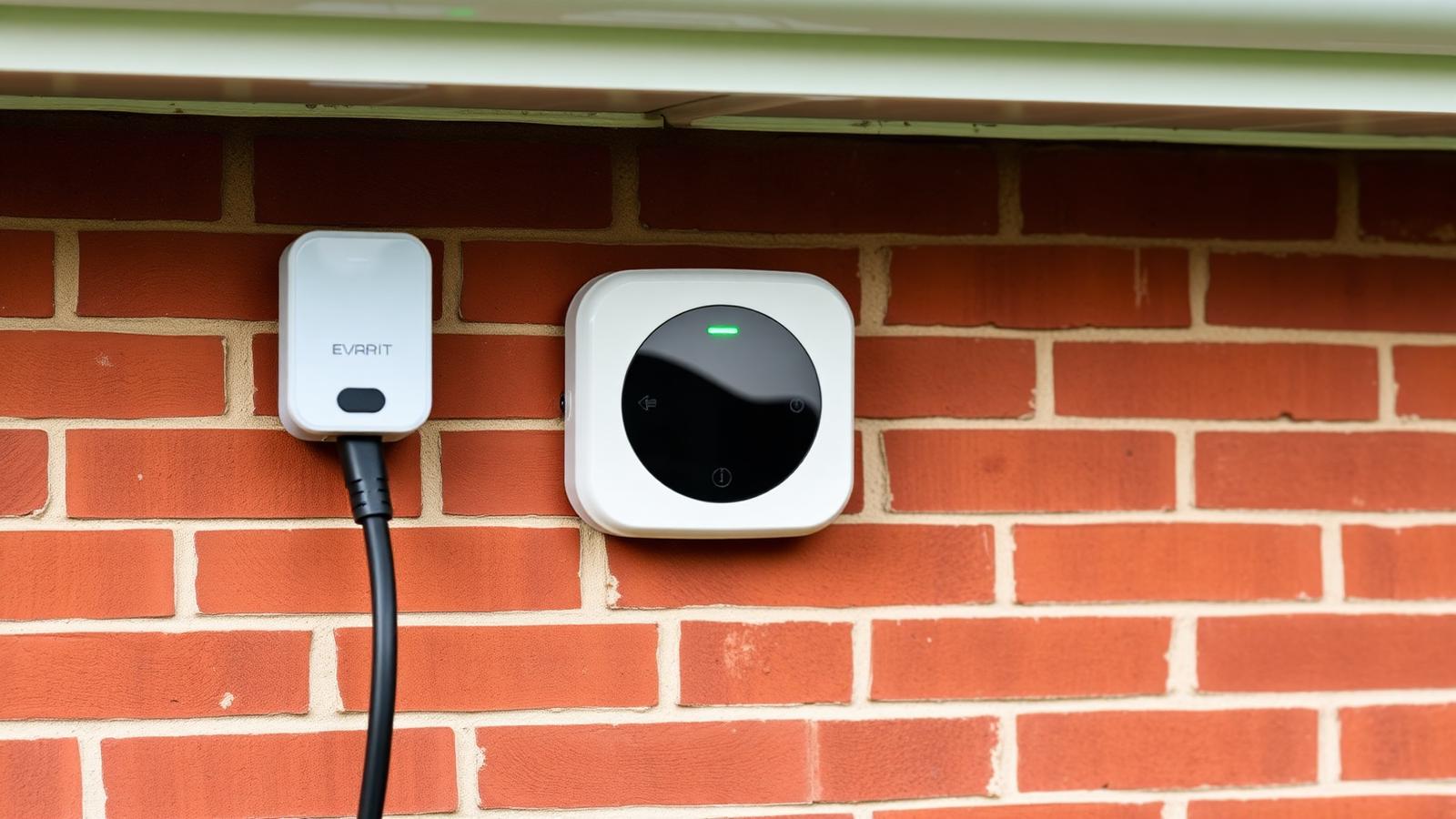
What actually matters when choosing
Almost every home charger sold in the UK delivers around 7kW on a single-phase supply. Power is not the differentiator. What separates units is how they handle smart scheduling, tariff integration, solar, load balancing, cable options and the quality of the app you will use every day.
- Tariff integration — can it automatically charge during your supplier's affordable window?
- Solar compatibility — can it use surplus generation if you have panels?
- Tethered or untethered — attached cable, or bring your own?
- Load balancing — will it reduce draw when the house is busy?
- App reliability — the thing you will judge it on after six months
The main options compared
| Charger | Often suits | Notable for |
|---|---|---|
| Ohme | Drivers on a smart EV tariff | Strong tariff and energy-price integration |
| Zappi | Homes with solar PV or a battery | Surplus solar charging modes |
| Hypervolt | Homeowners wanting a compact, simple unit | Neat design and app control |
| Tesla Wall Connector | Tesla households | Close integration with Tesla vehicles |
| Easee | Small spaces and multi-charger setups | Very compact with built-in load balancing |
None of these is objectively better than the others. A Zappi in a house with no solar panels is spending money on capability you will never use; an Ohme is a strong choice if your savings will come from tariff timing rather than generation.
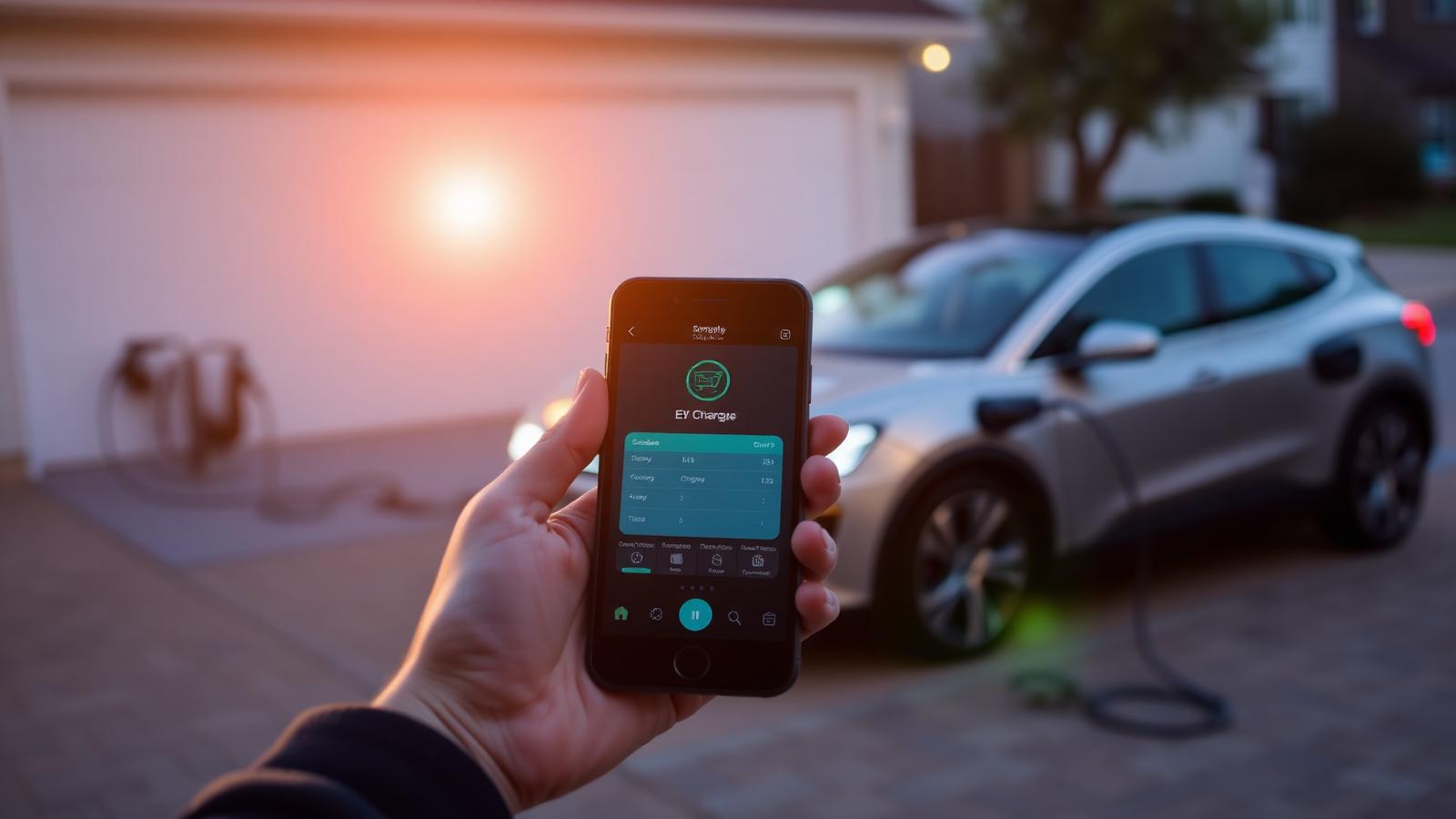
Matching a charger to your household
You have solar panels or a home battery
Look first at units with genuine solar surplus modes — the Zappi is the best known, and there are others with comparable functionality.
You are on, or moving to, a smart EV tariff
Prioritise tariff integration. A charger that talks to your supplier's affordable windows automatically will save you money without any daily effort.
You drive a Tesla and expect to keep doing so
The Tesla Wall Connector is a clean, well-integrated option. If you may change brands, an untethered universal unit keeps your choices open.
Space is tight, or you may add a second charger
Compact units with built-in load balancing, such as Easee, are worth a look.
Practical points people forget
- Check the cable length on tethered units against where your car's charge port actually sits when parked.
- Confirm the unit has the protection your installation requires — good installers will do this for you.
- Consider how the charger looks on your elevation; you will see it every day.
- Ask whether the app requires an account and internet connection to schedule charging.
Frequently asked questions
Which home charger is the best?
There is no single best unit. The right choice depends on your tariff, whether you have solar, which car you drive and where the charger will be mounted.
Are more affordable chargers a false economy?
Not necessarily, but very affordable units can lack smart scheduling, which is where most of the ongoing savings come from.
Can I change charger later?
Yes. The circuit and cable stay in place; usually only the unit itself is swapped, subject to compatibility checks.