
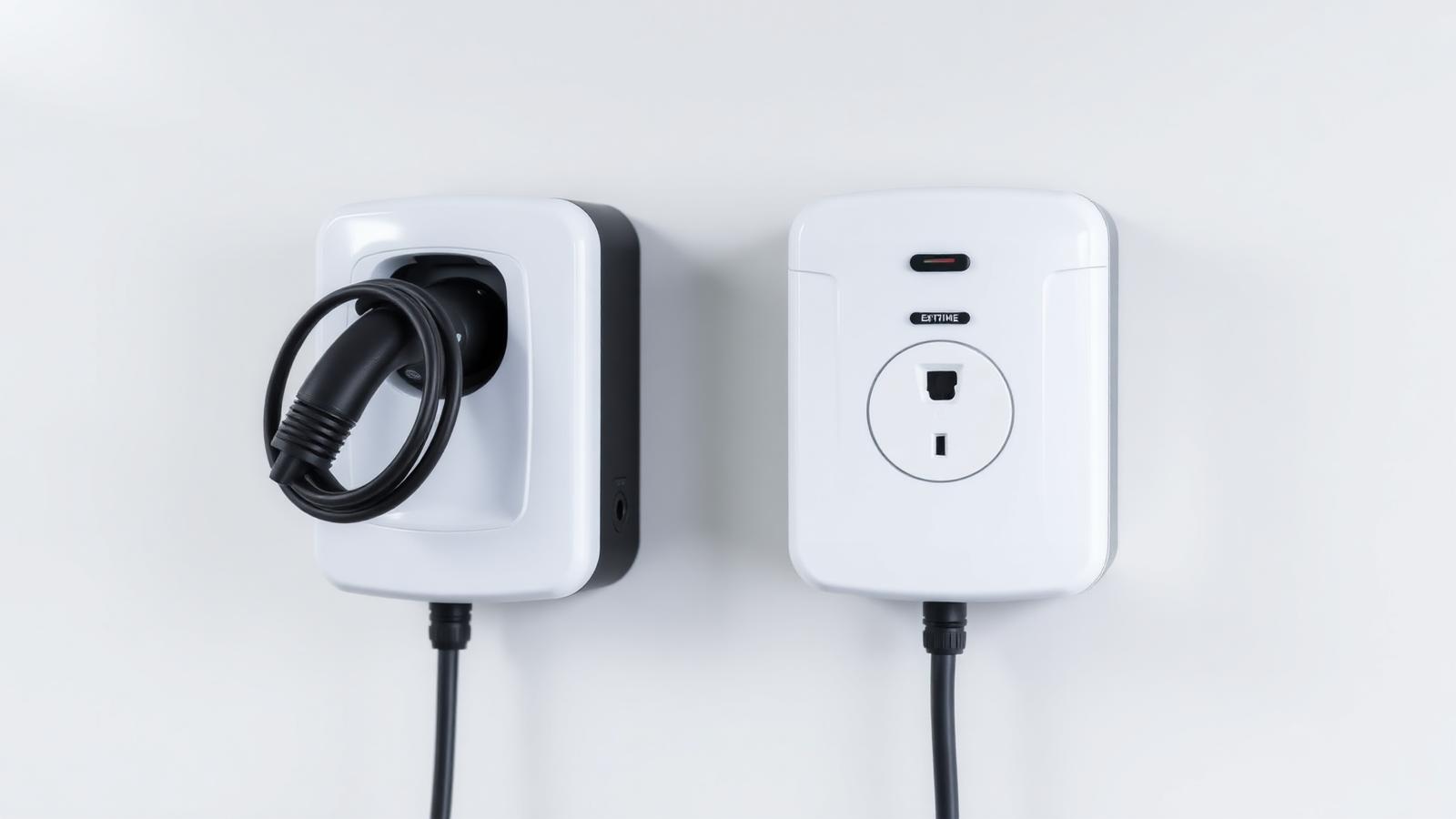
The difference in one line
A tethered charger has the charging cable permanently attached to the unit. An untethered charger has a socket, and you plug your own cable in each time.
Tethered chargers
Advantages
- Quicker day to day — no cable to fetch or stow
- No cable taking up boot space
- Simple for anyone in the household to use
Drawbacks
- The cable is always on show
- Cable length is fixed — reach must be right from day one
- Slightly less flexible if you change to a car with a different connector arrangement
Untethered chargers
Advantages
- Neater appearance on the wall
- Choose your own cable length
- Easily works with a future vehicle
- Cable stored out of the weather
Drawbacks
- You handle the cable every time you charge
- The cable lives in the car, taking up space
- A separate cable is an additional purchase if one is not supplied
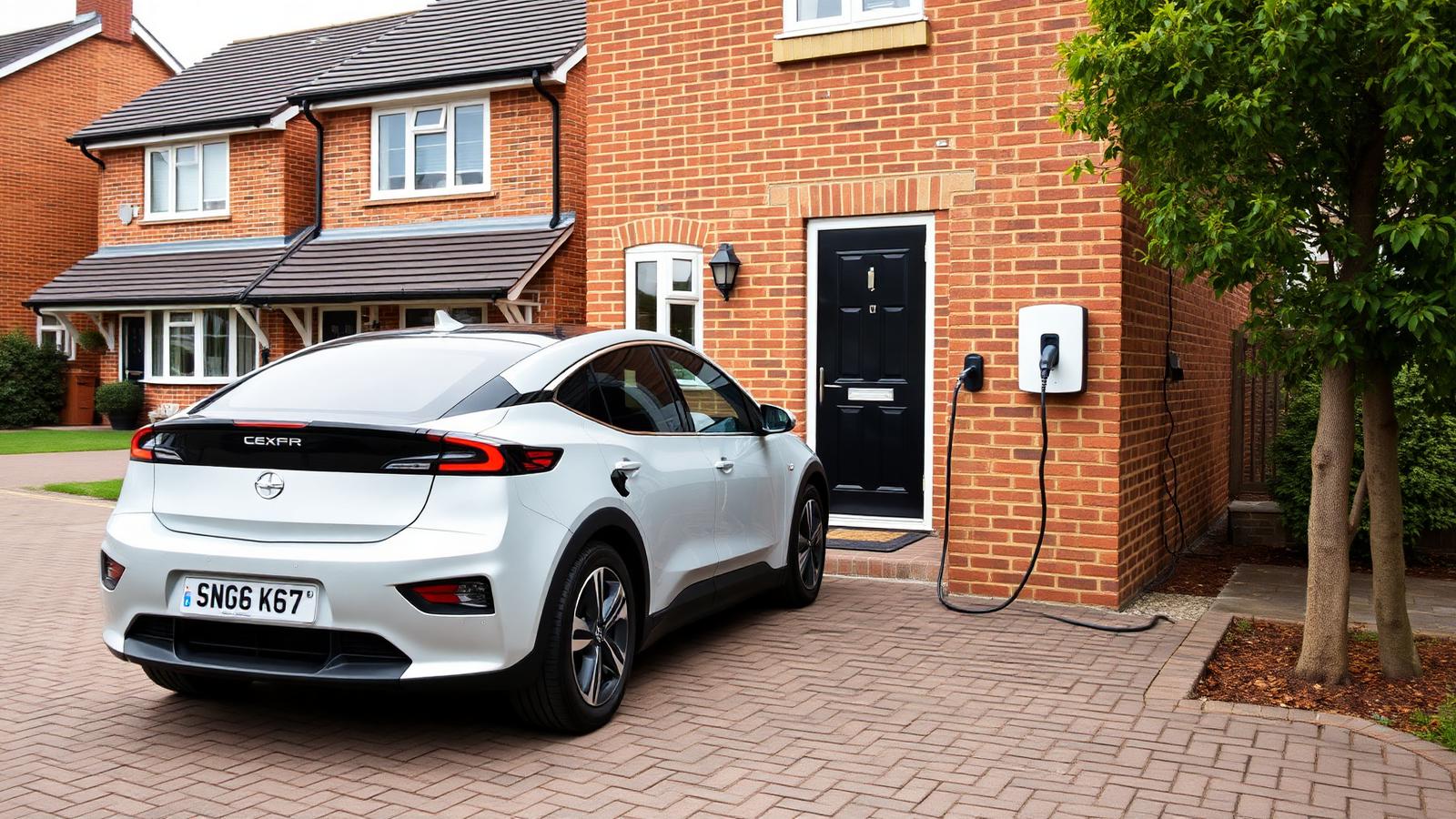
How to decide
| If you... | Consider |
|---|---|
| Charge every night at home, one car | Tethered — convenience wins |
| Care about how the wall looks | Untethered — cleaner appearance |
| Park in varying positions on the drive | Untethered with a longer cable |
| Change cars often | Untethered — more flexible |
| Have limited boot space | Tethered — nothing to carry |
Measure before you choose tethered
Check where your car's charging port sits when parked as you normally would. A cable that is nearly long enough is a daily irritation.
Frequently asked questions
Is a tethered cable secure?
Most tethered units include a locking function so the cable cannot simply be removed. Check the specific model.
How long are tethered cables?
Commonly around five to seven and a half metres, depending on the model.
Can I add a tether later?
Not usually — it is generally a model choice rather than an accessory. Decide before you buy.