
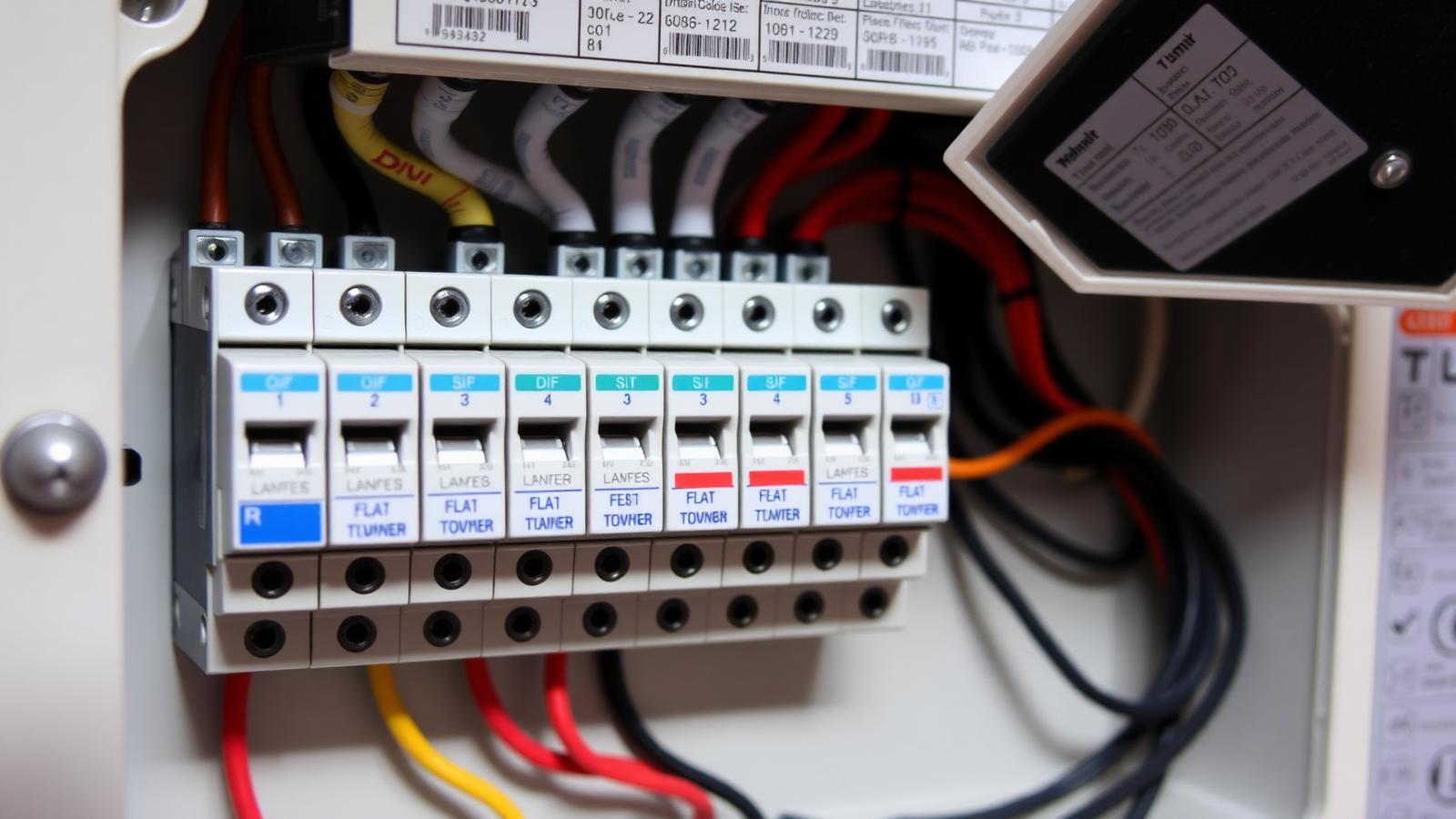
What the charger needs from your board
An EV charge point runs on its own dedicated circuit, protected by an appropriate device and supported by a sound earthing arrangement. It is a continuous, relatively heavy load, so it is treated seriously — this is not a spur off a ring final.
- A spare way, or space to add a suitable enclosure
- The correct type of protective device for EV charging
- A sound main earthing and bonding arrangement
- Enough overall capacity, or load management to work within it
When an upgrade is usually needed
- The board is an older type that cannot accommodate the required protection
- There are no spare ways and no practical means of adding one
- Testing reveals existing faults or deteriorated components
- Main earthing or bonding does not meet current requirements
In these cases, replacing the board is not upselling — it is what makes the new circuit safe and compliant. A good electrician will show you the reason rather than simply asserting it.
When you can keep what you have
Plenty of homes have a reasonably modern board with a free way and appropriate protection already in place. In that case the charger circuit is simply added and tested, and no upgrade is required.
There is also a middle option: where the existing board is sound but full, a separate small enclosure can sometimes be installed alongside it to house the EV circuit protection.
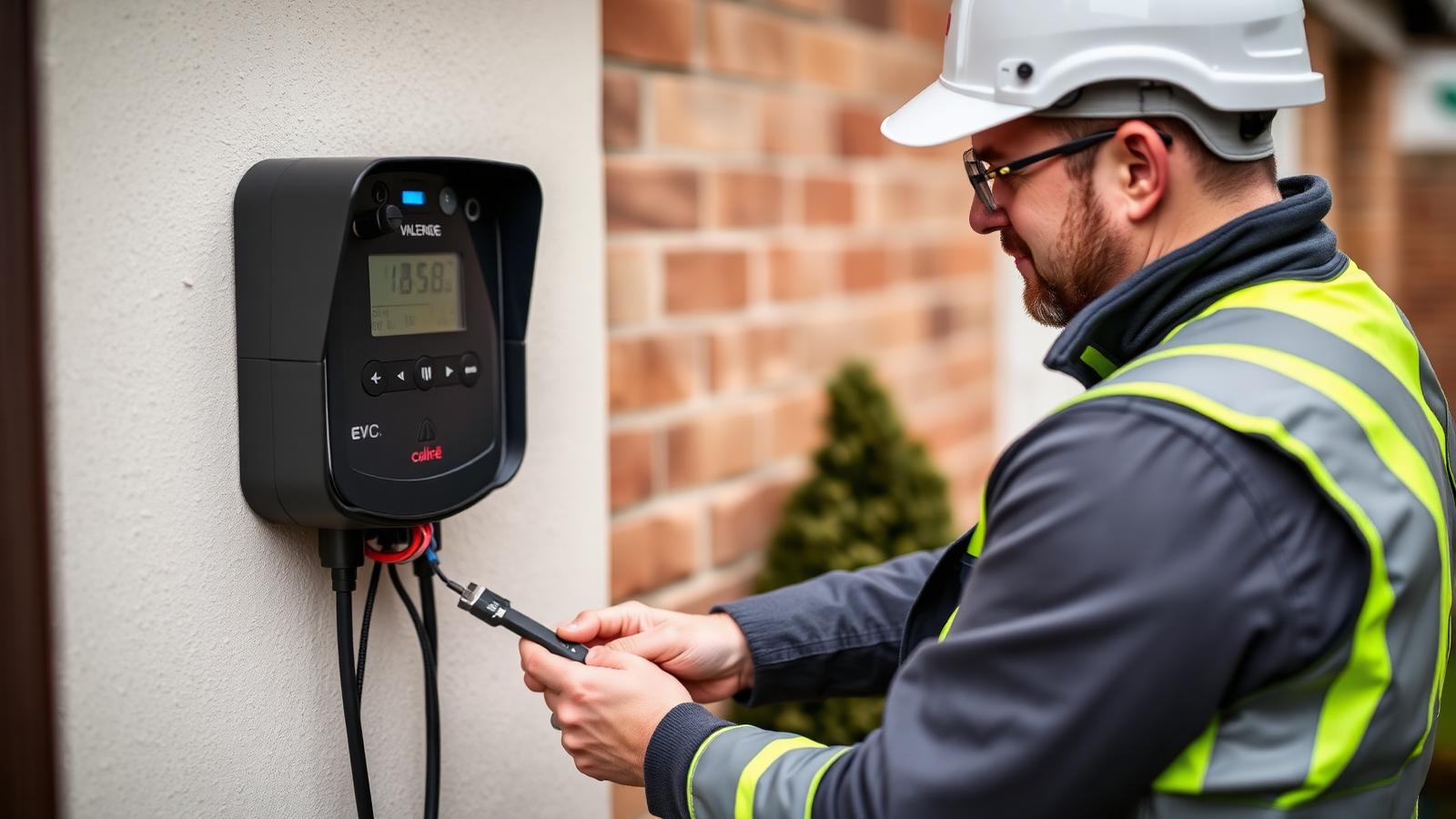
What about my main fuse?
Your main fuse rating limits total household demand. Adding a 7kW charger to a home with electric heating, a shower and an oven can bring you close to that limit at peak times. Load management solves this by automatically reducing charging current when the rest of the house is drawing heavily, and it costs far less than a supply upgrade.
You do not need to diagnose this yourself
Describe your property when you call and we will check the board, the earthing and the supply as part of the assessment.
Frequently asked questions
How do I know if my consumer unit is too old?
Age alone is not decisive — condition, protection type and spare capacity matter more. A short inspection answers it definitively.
Can the charger just go on an existing circuit?
No. An EV charge point requires its own dedicated, correctly protected circuit.
Will I get certification for the work?
Yes. New circuits are tested and certificated, and any board replacement is documented too.