
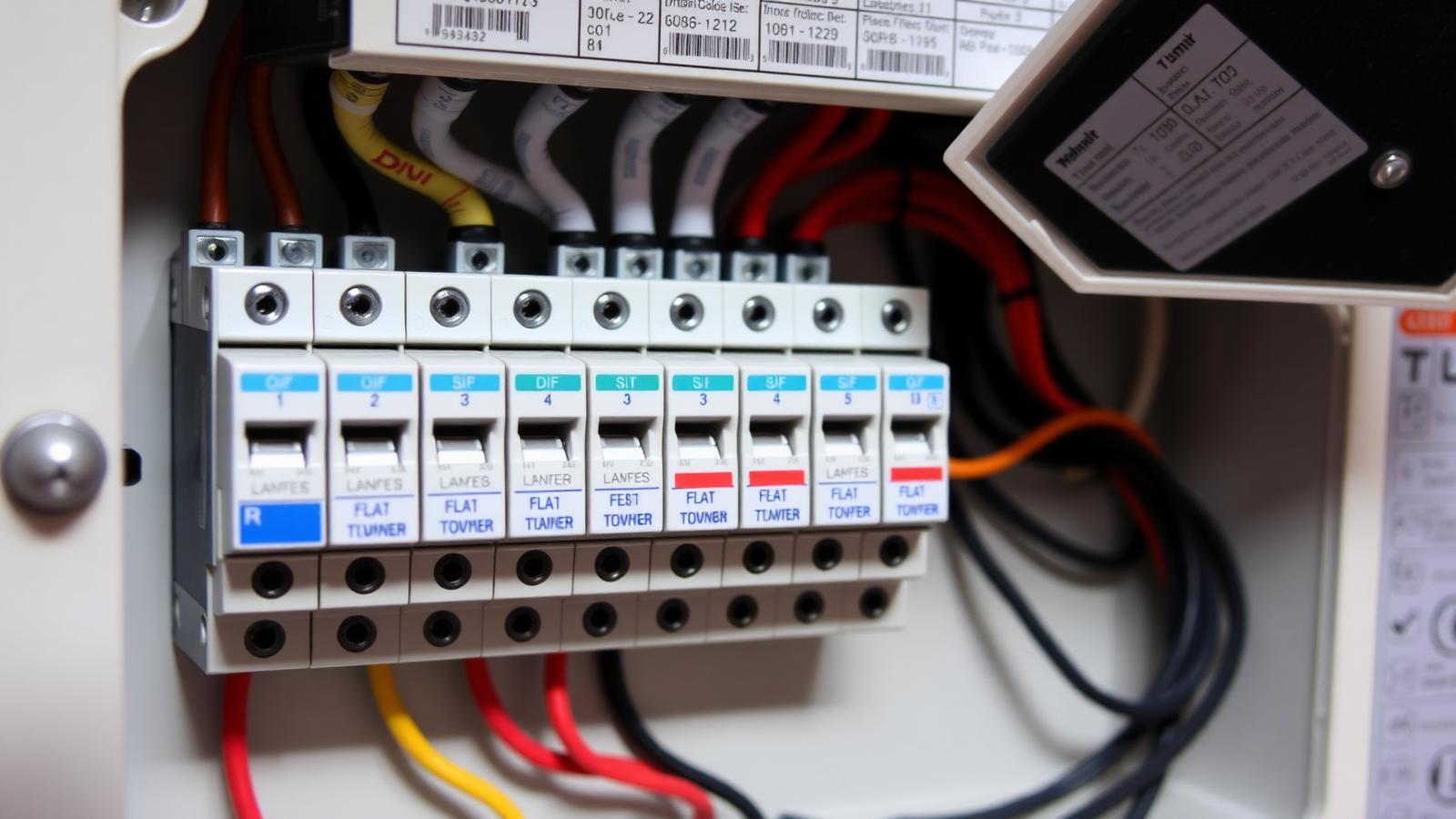
The four things that matter
1. Your main fuse
This is the limit on how much electricity your home can draw at once. Most UK homes have a 60A, 80A or 100A main fuse. A 7kW charger draws around 32A, so the question is whether there is comfortable headroom at peak times.
2. Single-phase or three-phase
Nearly all houses are single-phase, which caps home charging at around 7kW. Three-phase supplies allow faster units but are uncommon in domestic property.
3. Earthing arrangement
How your property is earthed affects what protection the charge point needs. Many modern chargers include the necessary protection built in; where they do not, it is added externally.
4. Consumer unit capacity and condition
The board needs a spare way and appropriate protective devices, or the ability to accommodate them.
Load management: the practical solution
If your main fuse does not leave much headroom — common in homes with electric showers, ovens and heating — load management is used. A sensor at the meter monitors total demand and the charger automatically reduces its current when the house is drawing heavily, then ramps back up when it is not.
In practice you will rarely notice. Overnight, when the rest of the house is quiet, the charger runs at full output anyway.
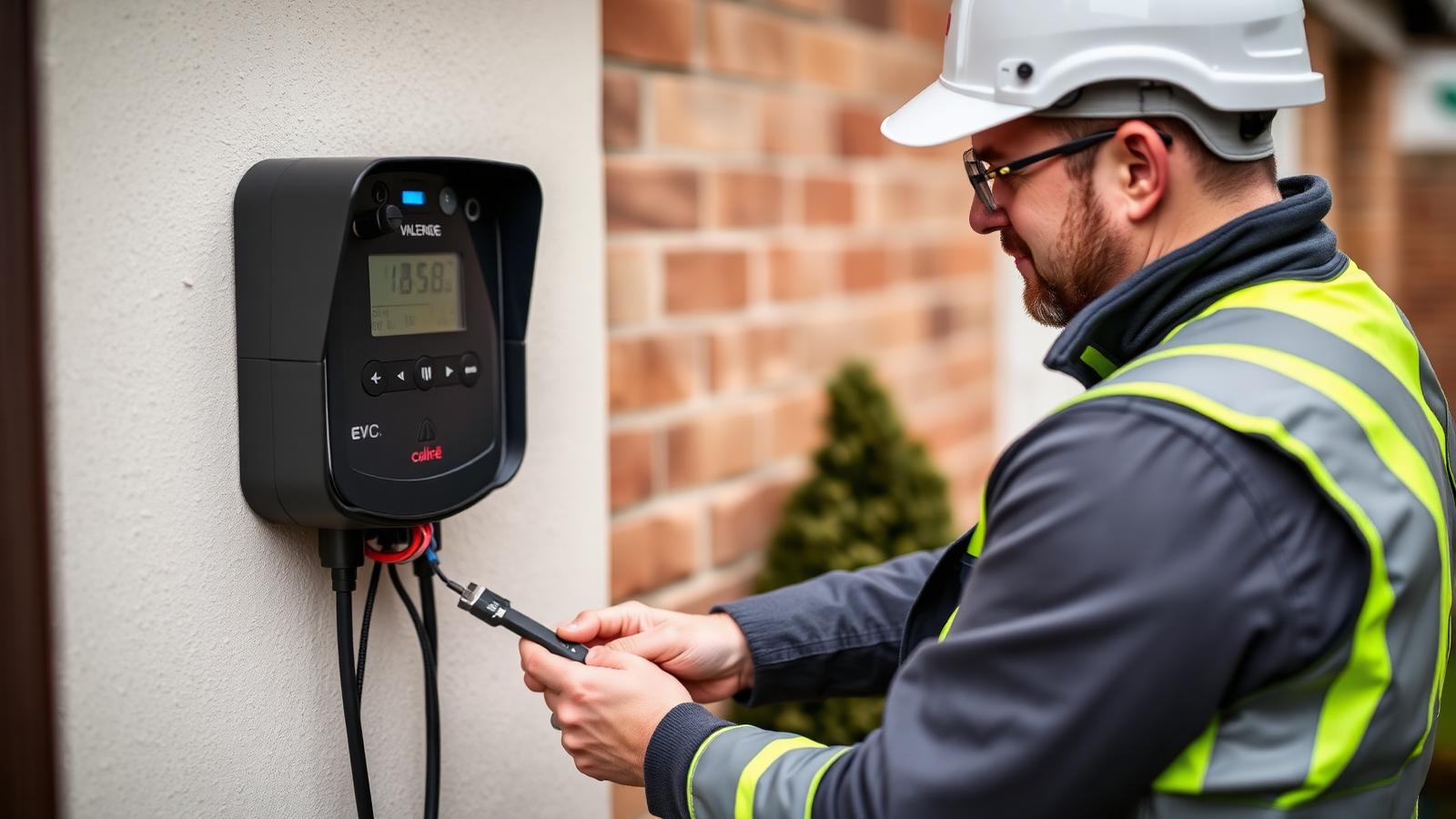
When a supply upgrade is discussed
Supply upgrades are handled by your distribution network operator, not your electrician, and can be costly and slow. For home charging they are rarely necessary — load management usually solves the problem for a fraction of the cost.
You do not need to check any of this yourself
Call us and describe the property. Checking the supply, earthing and board is part of the assessment.
Frequently asked questions
How do I find my main fuse rating?
It is usually marked at the service head near your meter, but do not open anything — an electrician can read it safely in moments.
Does an EV charger need to be notified to anyone?
New charge point installations are typically notified to the network operator, and the work must be certificated. We handle that.
Will charging trip my electrics?
Not when the circuit is correctly designed and, where needed, load managed.