
How they compare
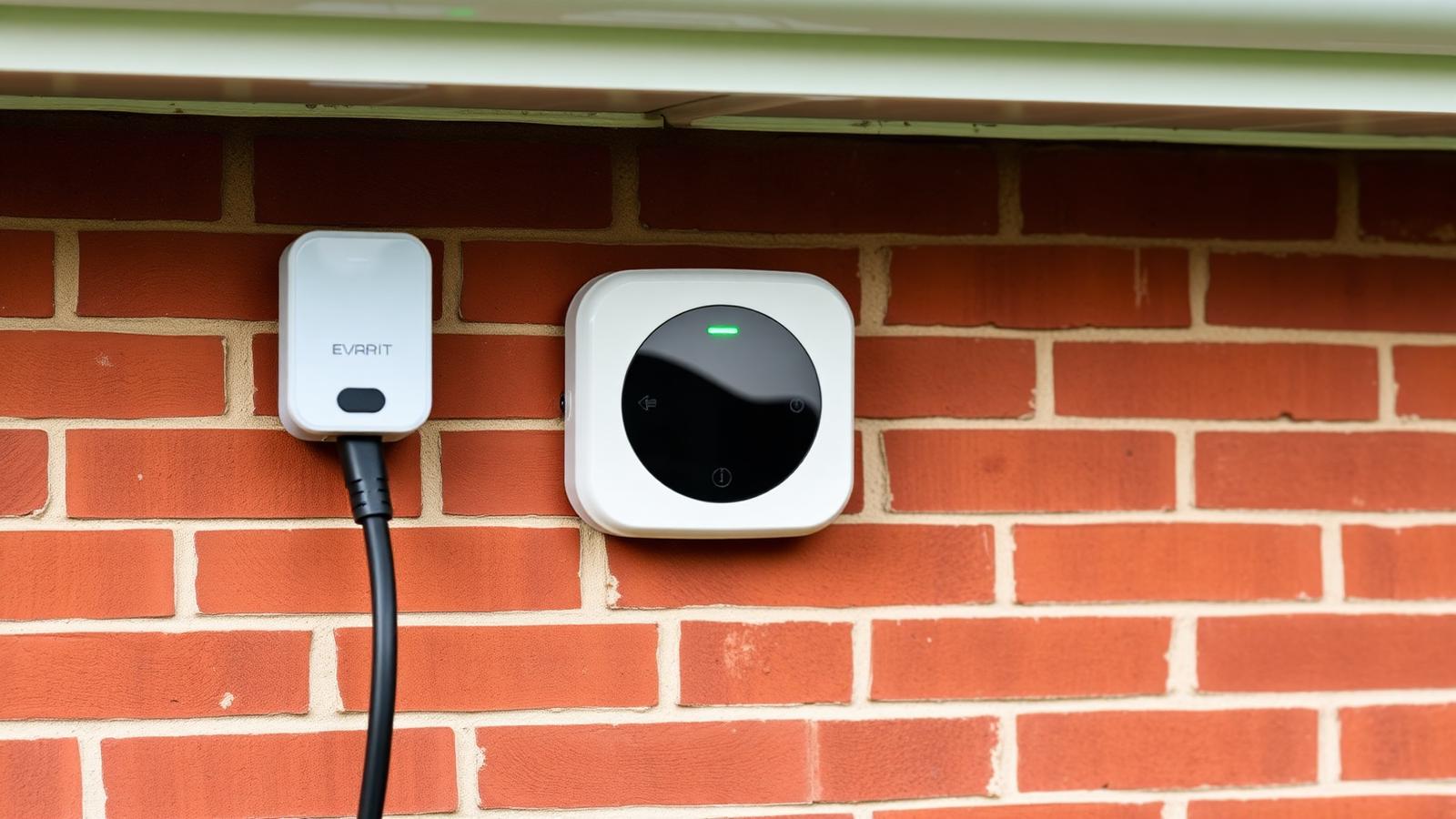
Hypervolt is known for a compact, design-led unit with app control and a tidy appearance on the wall — a genuine consideration when the charger sits on the front of your house.
Ohme is known for its tariff-first approach, automating charging into affordable periods and integrating closely with smart energy plans.
| Hypervolt | Ohme | |
|---|---|---|
| Emphasis | Design, simplicity, app control | Tariff-led automated charging |
| Appearance | Compact and discreet | Functional |
| Scheduling | Yes, via app | Yes, with strong tariff integration |
| Best for | Homeowners who want it neat and simple | Homeowners chasing most affordable unit rates |
Things that decide it in practice
- Where the charger will be mounted and how visible it is
- Whether you are on a smart EV tariff already
- Whether you want a tethered cable or a socket-only unit
- How much you want to interact with the app day to day
If the charger will sit on a prominent elevation, appearance genuinely matters. If it is going inside a garage, it matters far less and the tariff behaviour becomes the deciding factor.
Installation is the same job
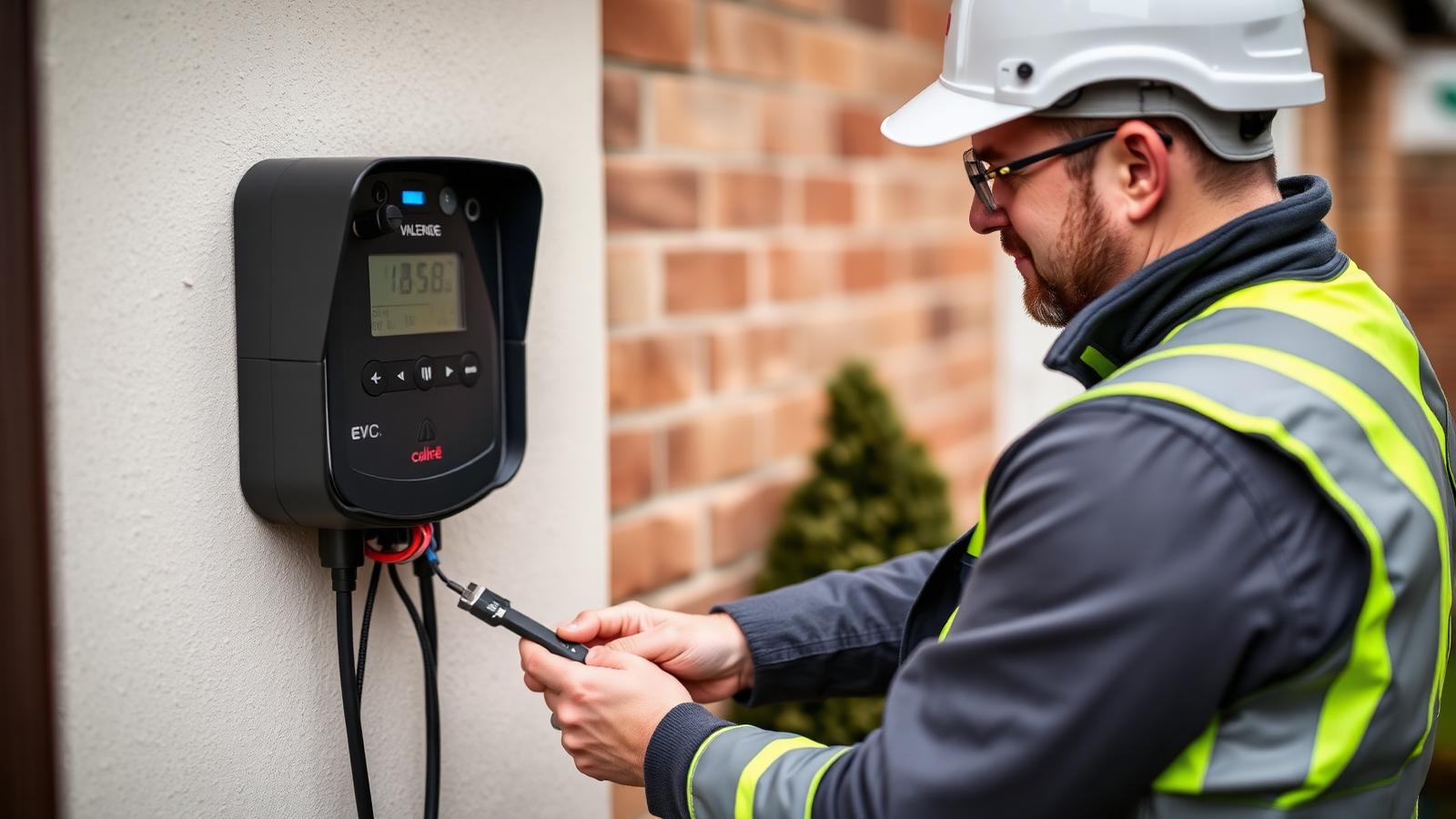
From an electrical point of view, both need a dedicated circuit with the correct protective device, sound earthing and, in many homes, load management. The installation quality will affect your experience far more than the choice between these two brands.
Not sure which to pick?
Tell us your tariff, your car and where the charger will go. We will give you a straight recommendation with no sales pressure.
Frequently asked questions
Is one of these faster than the other?
No. On a standard single-phase home supply both charge at around 7kW.
Do both work with any electric car?
Both use the standard Type 2 connection used by virtually all modern EVs sold in the UK.
Can I switch tariffs after installation?
Yes. You may need to update settings in the app so scheduling matches your new affordable window.