
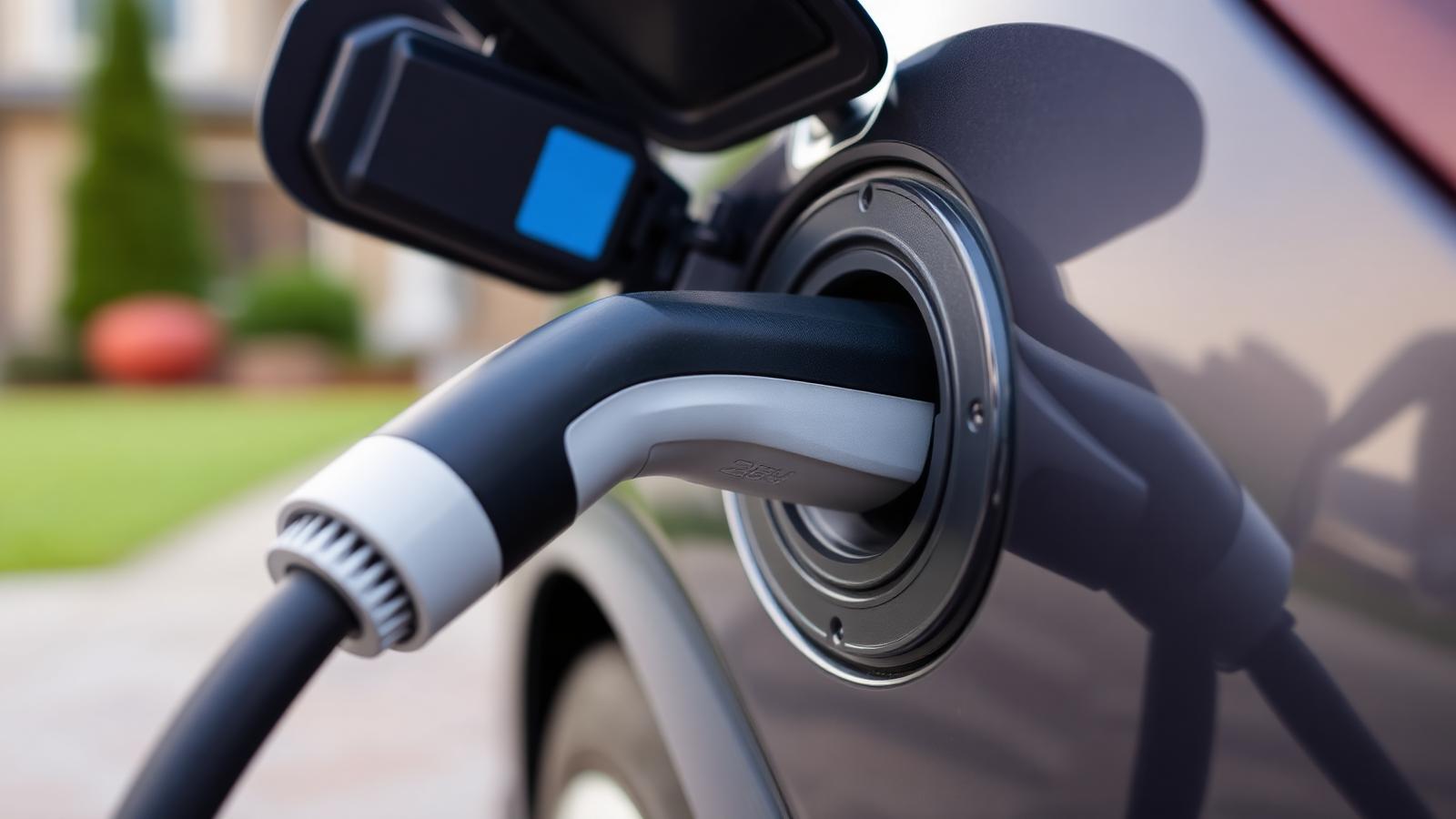
How slow is it really?
A domestic socket delivers roughly 2.3kW when used for EV charging — around a third of what a dedicated 7kW charge point provides. For a modern EV with a large battery, a full charge from low can take well over a day.
For a plug-in hybrid, or for someone doing very low mileage, that may be tolerable. For anyone charging a full EV regularly it quickly becomes impractical.
The safety side
Charging draws a high current continuously for many hours. Standard sockets and household wiring were not designed with that duty cycle in mind, and older or worn accessories can overheat.
- Never use a domestic extension lead or cable reel to charge a car
- Do not use a socket showing any sign of damage, scorching or looseness
- Keep connections out of standing water and protected from weather
- Have the circuit checked if you intend to use a three-pin lead regularly
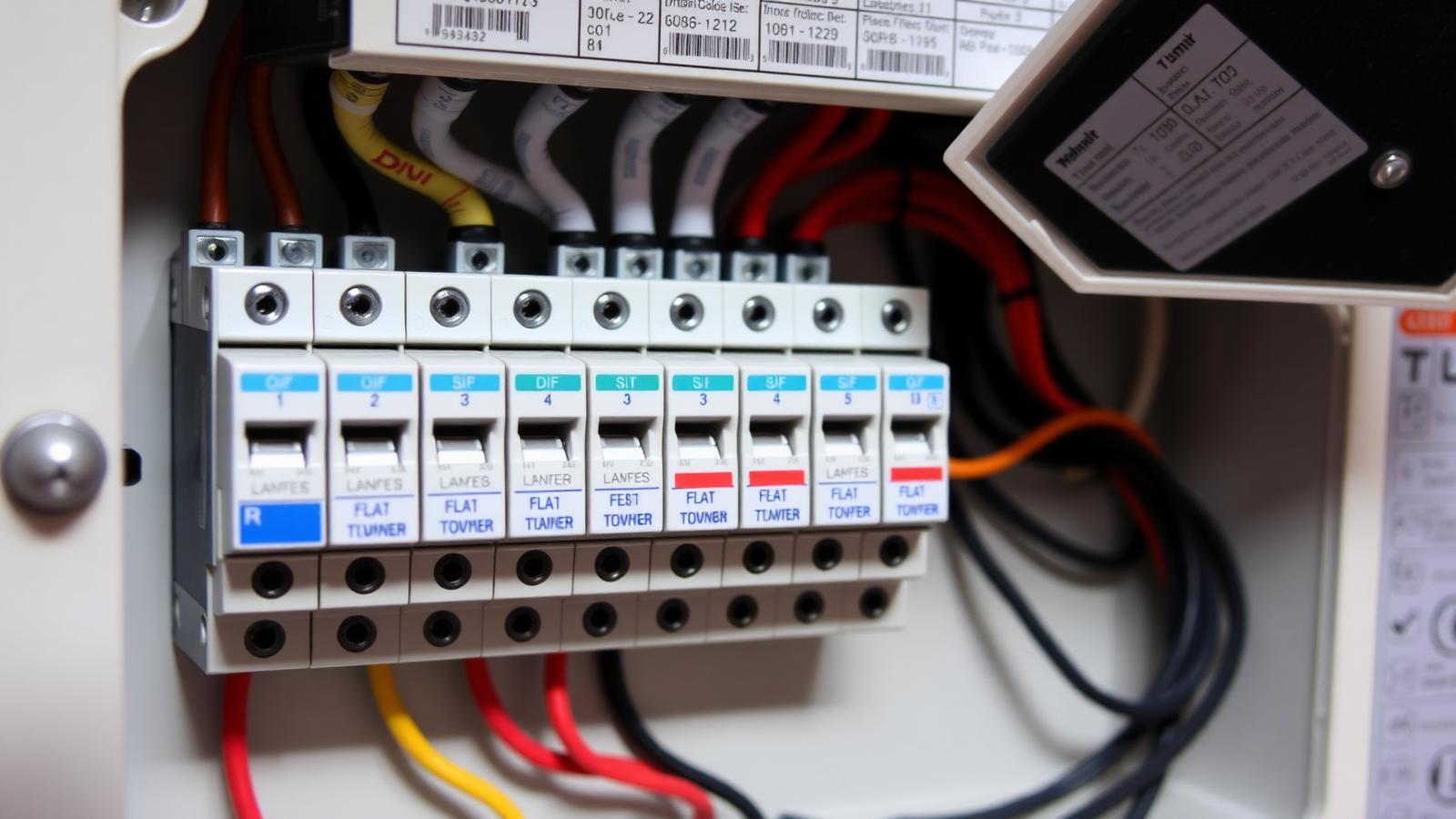
Why a dedicated charge point is better
- Around three times faster than a three-pin lead
- Purpose-designed for continuous high current
- Its own protected circuit with the correct protective devices
- Weatherproof outdoor equipment rated for the job
- Smart scheduling to charge on affordable off-peak rates
Keep the granny lead anyway
It is genuinely useful when visiting family or staying somewhere without a charge point. Just do not rely on it every night.
Frequently asked questions
Is it illegal to charge from a plug socket?
No, but the manufacturer's lead is intended for occasional use and the circuit should be in good condition.
Can I use an outdoor socket?
Only if it is a suitably rated exterior socket in good condition on an appropriate circuit. Have it checked if in doubt.
Will three-pin charging damage my battery?
Slower charging is not harmful to the battery. The practical problems are speed and the load placed on household wiring.